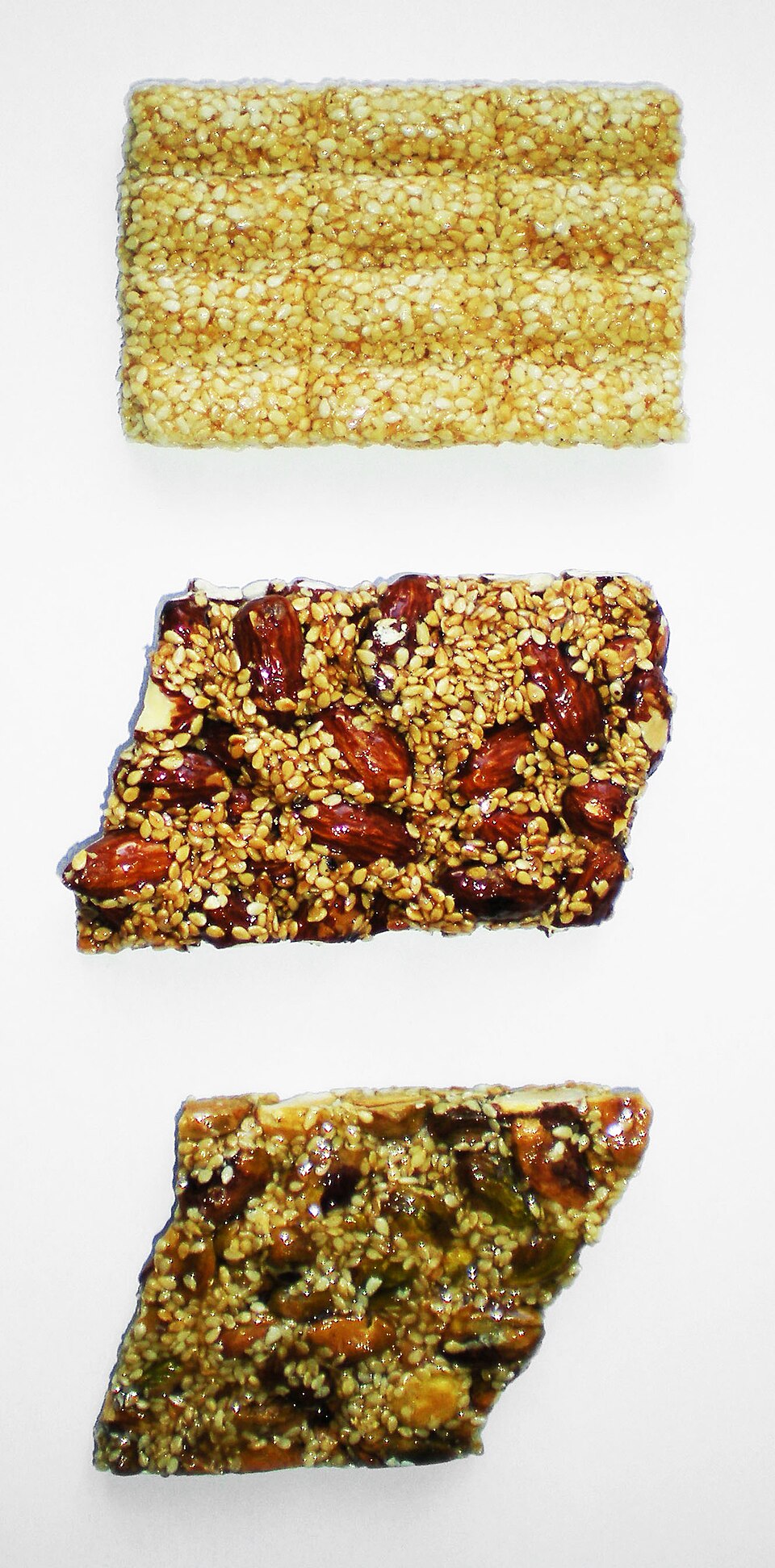
The Ancient History and Origins of Sesame Snaps: A Journey Through Time
Few snacks possess the humble elegance and deep-rooted history of the classic
sesame snap. This seemingly simple confection, a delicate lattice of toasted sesame seeds held together by a golden, caramelized sugar or honey, offers a satisfying crunch and a burst of nutty sweetness. Yet, beneath its crisp exterior lies a story that stretches back millennia, connecting us to ancient civilizations, agricultural innovations, and the enduring human desire for sweet, nutritious treats. To truly appreciate the
sesame snap, we must embark on a historical expedition, tracing its lineage from the fertile crescent to our modern-day snack shelves.
The Humble Beginnings: Tracing Sesame's Ancient Footprints
The journey of the
sesame snap begins not with the snap itself, but with its star ingredient: sesame. Sesame (
Sesamum indicum) is one of the oldest oilseed crops known to humanity, with archaeological evidence placing its cultivation as far back as 3000 BCE in the Indus Valley Civilization (modern-day India and Pakistan) and Mesopotamia.
*
Mesopotamia and Beyond: Ancient Sumerian tablets mention sesame oil as a vital food source and medicine. The Assyrians believed that their gods drank sesame wine before creating the earth. The plant quickly spread, reaching Egypt, where it was used to make flour, and China, where it was cultivated by the first century CE.
*
A Revered Crop: Throughout ancient cultures, sesame held significant symbolic meaning. It was revered for its resilience, its rich oil, and its ability to thrive in harsh conditions. Its seeds were seen as symbols of immortality and good fortune. From India, where sesame oil played a crucial role in Ayurvedic medicine and religious rituals, to Africa, where it was incorporated into various culinary traditions, sesame's value was undeniable.
*
Early Consumption: Long before the crisp form we know today, sesame seeds were consumed in various ways. They were ground into pastes (a precursor to tahini), pressed for oil, sprinkled over bread, or mixed with honey to create simple energy bites. This practice of combining sesame with a sweetener laid the groundwork for future confections like the
sesame snap.
The widespread availability and nutritional profile of sesame seeds made them an ideal candidate for early snack development. Rich in healthy fats, protein, fiber, and essential minerals like calcium and iron, they provided a concentrated source of energy, perfect for travelers, warriors, and everyday sustenance.
Sweetening the Deal: The Evolution of Ancient Confections
The other crucial component of a
sesame snap is its sweetener. Before the widespread availability of refined sugar, honey was the primary source of sweetness across many ancient civilizations.
*
Honey's Ancient Role: From ancient Egypt to Greece and Rome, honey was prized not only for its taste but also for its preservative qualities and perceived medicinal benefits. Early confections often involved mixing nuts, dried fruits, or seeds with honey to create dense, energy-rich treats.
*
Greek *Pasteli*: Perhaps the closest ancient relative to the modern
sesame snap is the Greek confection known as *pasteli*. Dating back to at least the 5th century BCE, *pasteli* is traditionally made by combining sesame seeds with honey, boiling the mixture until it thickens, and then pressing it into bars. While typically softer and chewier than a crisp snap, it embodies the core concept: sesame + sweetener = delicious and nutritious treat. It was even mentioned by Herodotus as a food given to soldiers.
*
Middle Eastern and Indian Influences: Similar sesame-based sweets can be found across the Middle East and India, often evolving into diverse forms like halva (a dense, crumbly sesame paste confection) or *tilgul* (sesame and jaggery sweets popular during festivals in India). These variations highlight the universal appeal of sesame combined with sweetening agents.
*
The Arrival of Sugar: While honey dominated for centuries, the cultivation and processing of sugarcane, originating in ancient India, gradually spread west. By the medieval period, sugar became more accessible, though initially a luxury. The ability to caramelize sugar to a hard, brittle state was a game-changer for confections, allowing for the creation of truly "snappy" textures that honey alone often couldn't achieve as consistently. This advancement paved the way for the distinctive crispness that defines
sesame snaps today.
From Ancient Treats to Modern Sesame Snaps
The transition from ancient sesame-and-honey bars to the distinctively crisp
sesame snaps we recognize today is a fascinating evolution, driven by culinary innovation and the increasing availability of refined sugar.
*
The "Snap" Factor: The crisp, brittle texture that defines a
sesame snap is largely due to the caramelization of sugar. While honey can harden, sugar's ability to form a stable, glassy caramel when heated to high temperatures allows for a much more consistent and satisfying crunch. This technique likely gained popularity as sugar became more affordable and confectionery techniques advanced, particularly in Europe and the Middle East during the Renaissance and beyond.
*
Global Spread and Standardization: As trade routes flourished and culinary knowledge spread, variations of sesame-based confections traveled across continents. European confectioners, with access to new sugar refining techniques, began to experiment. The concept of a thin, brittle sesame-sugar bar became more formalized. While specific origins for the *exact* formulation of the mass-produced
sesame snap are debated, it's generally understood to be a refinement of these ancient traditions.
*
Industrialization and Mass Production: The late 19th and early 20th centuries saw the rise of industrialized food production. This period allowed for the mass manufacturing of treats like
sesame snaps, making them widely available and affordable to a broad consumer base. Factories could produce uniform, consistent snaps, packaging them for distribution across the globe. This accessibility cemented their place as a beloved international snack.
Today, while many countries produce their own versions, some of the most well-known
sesame snaps brands hail from countries with rich confectionery traditions, often inspired by these historical roots. You can delve deeper into the distinctions and similarities between various sesame treats by exploring our guide:
Sesame Snaps vs. Other Sesame Treats: A Full Guide.
The Enduring Appeal and Practical Insights
The enduring popularity of
sesame snaps is a testament to their simple yet satisfying nature. Their appeal lies in several key factors:
*
Simplicity of Ingredients: Typically, a sesame snap contains just two or three core ingredients: sesame seeds, sugar (or honey), and sometimes glucose syrup or a touch of baking soda for texture. This minimalist approach resonates with consumers seeking natural, straightforward snacks.
*
Nutritional Value: Despite being a confection,
sesame snaps offer some nutritional benefits due to their high sesame content. Sesame seeds are a good source of healthy fats, protein, fiber, and important minerals. This makes them a more appealing option compared to many highly processed sugary snacks. For more surprising facts about their health profile, check out:
Are Sesame Snaps a Healthy Snack? Surprising Facts.
*
Satisfying Crunch: The distinct "snap" provides a gratifying sensory experience, often associated with freshness and quality.
*
Portability and Shelf Life: Their solid, brittle form makes them easy to transport and store, and their low moisture content ensures a relatively long shelf life, making them an ideal on-the-go snack.
Practical Tips for Enjoying Sesame Snaps:
- Storage: Keep sesame snaps in an airtight container in a cool, dry place to prevent them from becoming sticky or losing their crispness. Humidity is their enemy!
- Creative Uses: While perfect on their own, crushed sesame snaps can make an excellent topping for yogurt, oatmeal, ice cream, or even sprinkled over salads for a sweet, nutty crunch.
- Homemade Fun: For the adventurous, making your own sesame snaps at home is a rewarding experience. It typically involves toasting sesame seeds, boiling sugar (or honey) to a hard crack stage, mixing, and then pressing the mixture thinly before it cools.
Conclusion
From the ancient fields of Mesopotamia where sesame seeds first took root, to the bustling markets of Greece where *pasteli* nourished soldiers, and finally to modern factories producing millions of crisp bars, the history of
sesame snaps is a fascinating tapestry woven through time. This unassuming treat represents an unbroken culinary lineage, connecting us to the resourcefulness and creativity of our ancestors. It’s a testament to the enduring appeal of simple, wholesome ingredients combined with the desire for something sweet and satisfying. So, the next time you bite into a crisp
sesame snap, take a moment to appreciate the thousands of years of history and innovation packed into that delightful crunch.